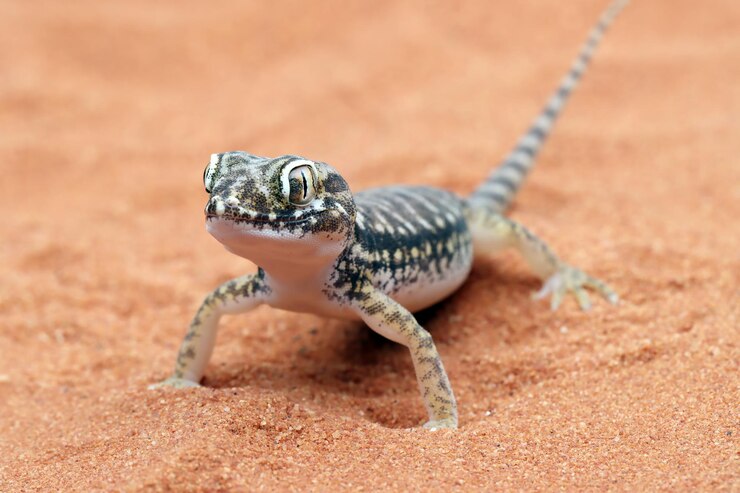
Geckos come in a huge range of sizes from just a few centimeters to over 30 cm in length.
They display an incredible diversity in coloration and patterns like stripes, spots, and camouflage. Some species can even change color.
Most geckos have large bulbous eyes and lack eyelids, giving them a unique appearance.
Their toes have specialized lamellae and setae that allow them to climb vertical surfaces and even walk on ceilings.
Geckos are primarily nocturnal, and use vocalizations for communication.
They are insectivores, using their long sticky tongues to catch prey.
A number of gecko species are popular exotic pets, like leopard geckos and crested geckos.
Geckos are found on every continent except Antarctica. Common habitats include forests, deserts, grasslands, and human dwellings.
Special adaptations like camouflage, vocalizations, and climbing ability allow geckos to thrive in their environments.
Geckos are a diverse, adaptable, and unique group of lizards with fascinating behaviors and appearance. They are an integral part of ecosystems worldwide.
Types of Geckos
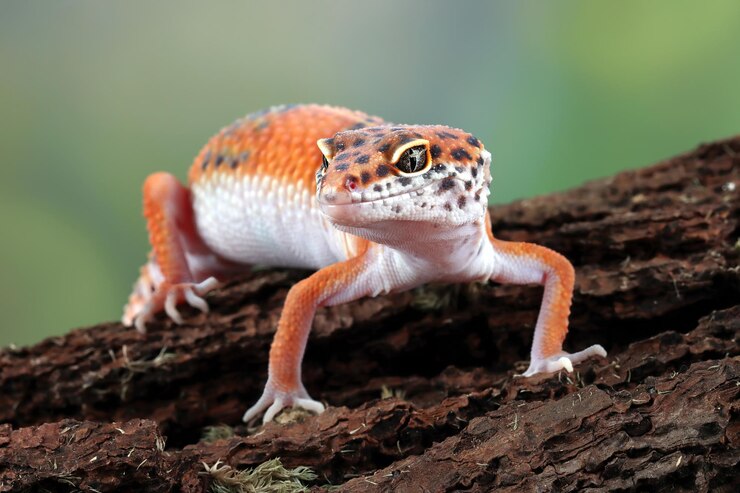
There are over 1,500 species of geckos in the world, belonging to six families of the suborder Gekkota. They are found on every continent except Antarctica, and they inhabit a wide range of habitats, from deserts to rainforests. Some of the most common types of geckos kept as pets are:
Leopard gecko:
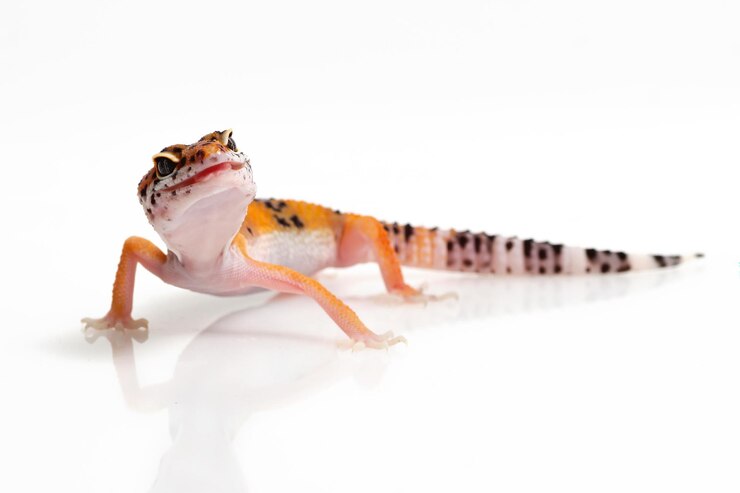
The leopard gecko is one of the most common pet gecko species due to their manageable size, docile temperament, and simple care requirements.
Unlike other geckos, leopard geckos lack specialized toe pads and are unable to climb smooth vertical surfaces. Their toes are built for terrestrial life on flat ground. Leopard geckos have a pale yellowish base color with dark black or brown spotting, resembling their namesake the leopard.
They are nocturnal foragers and possess movable eyelids to shield and moisten their eyes while hunting insects at night. These adaptations suit the leopard gecko for life in the arid, rocky deserts of southwestern Asia where they originate.
Their hardiness, longevity, and placid nature have contributed to their popularity as pets.
Crested gecko:
1
Crested gecko is another popular pet gecko that has a crest of skin along the head and body. Crested geckos display stunning color diversity ranging from solid hues to stripes, spots, and marbled patterns. This helps them blend into tropical foliage.
2
Like all geckos, crested geckos possess specialized lamellae on their toe pads that enable them to climb any vertical surface. They can even adhere to and walk on smooth glass! Another adaptation is their lack of eyelids.
3
Being strictly nocturnal, crested geckos use their long tongues to regularly lick their eyes and keep them clean and moist throughout the night.
This, along with pronounced blepharospasms when startled, protects their vision while hunting insects in dim rainforest conditions.
Day gecko:
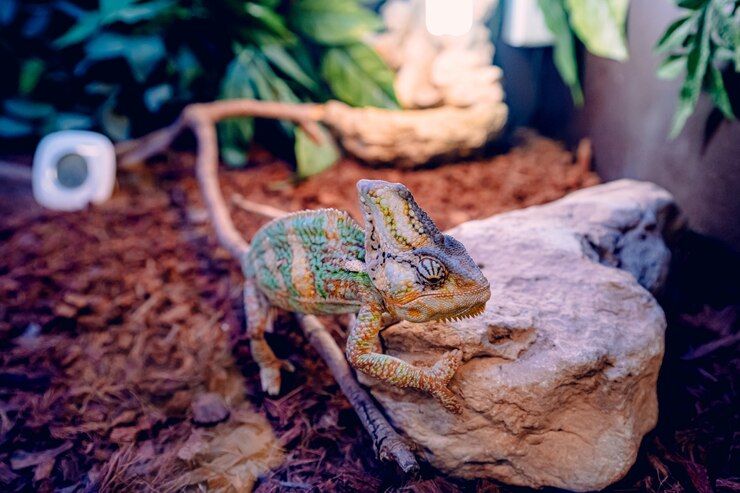
Unlike most geckos that are nocturnal, day geckos are active and hunt during daylight hours. They exhibit beautifully vibrant coloration in shades of green, blue, yellow, orange, red, and black.
Their skin often displays spots, stripes, or reticulated patterns that provide camouflage within tropical foliage. Day geckos possess the same specialized lamellae on their toe pads as other geckos, enabling them to adhere to and climb smooth vertical surfaces with ease.
To keep their large protruding eyes clean and moist throughout the day, day geckos frequently lick their eyes using their long tongues.
They lack protective eyelids but can constrict their pupils and exhibit blepharospasms when threatened. These adaptations allow day geckos to thrive in sunny rainforest conditions.
Tokay gecko:
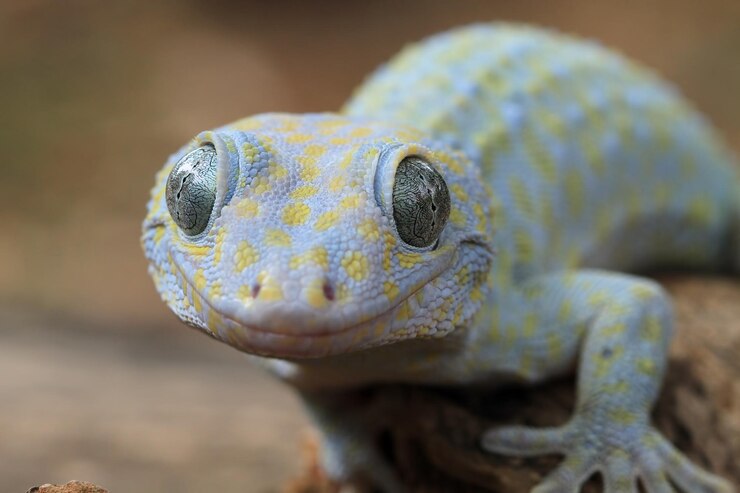
The Tokay gecko is one of the larger gecko species, known for its ill-tempered and aggressive behavior. They have a striking blue-gray body coloration covered in vivid orange or red spots.
Their strong jaws pack a forceful bite if threatened or handled. Like all geckos, Tokays have specialized lamellae on their toe pads that give them impressive clinging and climbing abilities.
They can scale any vertical surface including panes of glass. Tokays are nocturnal hunters. Their large protruding eyes lack protective eyelids. To maintain moisture and clarity of their vision at night, Tokays use their long tongues to frequently lick their eyes.
Their pronounced blepharospasm reflex also helps shield their eyes when threatened in dim conditions. These adaptations allow them to thrive as predators in tropical Asian forests.
African fat-tailed gecko:
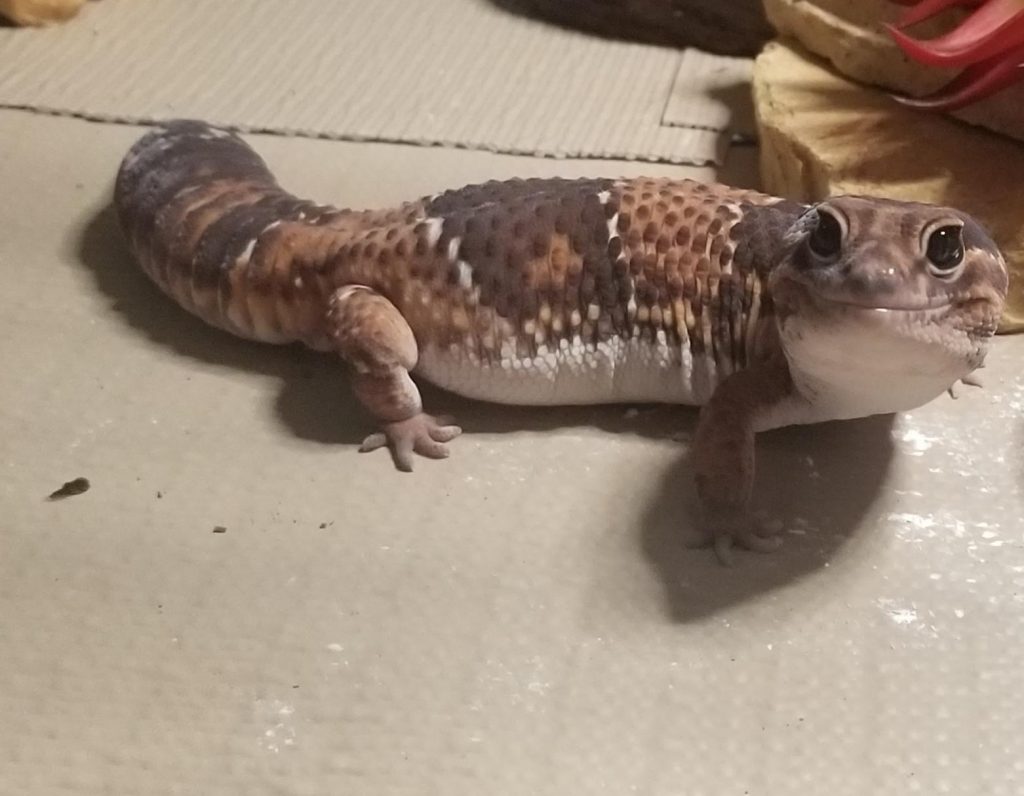
The African fat-tailed gecko is a ground-dwelling desert species closely related to the popular leopard gecko. Unlike most geckos, fat-tails lack the specialized lamellae on their toes that enable climbing vertical surfaces.
Instead, they have blunt toe pads adapted for digging burrows in sandy soil. Their stocky bodies are covered in brownish, tan, or yellow hues with dark stripe patterns providing camouflage on desert floors.
As their name suggests, fat-tails possess unusually large tails that serve as fat storage organs, helping them survive scarce desert resources.
They are nocturnal foragers and possess movable eyelids that can open and close to protect their eyes and maintain moisture while hunting at night.
These unique adaptations allow African fat-tailed geckos to thrive in arid desert environments.
Gecko Lifespan
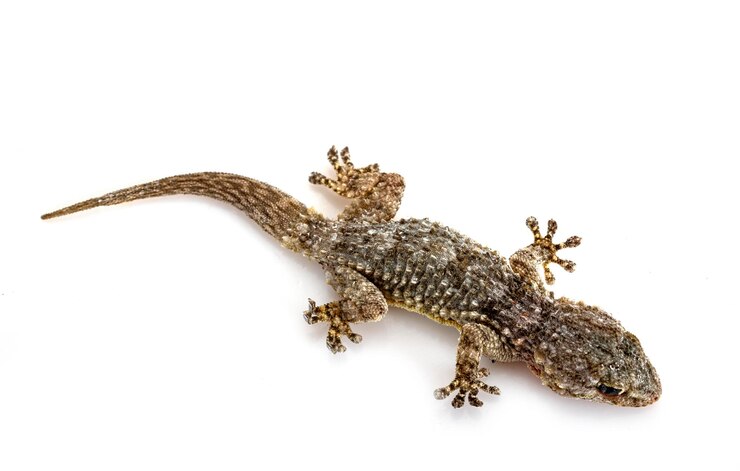
There is considerable variation in lifespan across different gecko species. Some smaller gecko species may only live 3-5 years in captivity, while larger species can survive over 20 years with proper care.
Here are typical lifespans for some popular gecko pets:
Leopard Geckos – This common beginner gecko has an average lifespan of 6-10 years in captivity. With excellent care some leopard geckos may reach 15-20 years old, but this is less common. Their relatively short lifespan compared to other geckos makes them a good starter pet.
Crested Geckos – This arboreal species is longer lived, typically reaching 15-20 years old or more with proper husbandry. Their lifespan potential in captivity can exceed 25 years in exceptional cases. Crested geckos require dedicated care but are quite hardy.
African Fat-Tailed Geckos – Closely related to the leopard gecko, fat-tails share a similar captive lifespan of 15-20 years on average. Some individuals are documented to live over 20 years in captivity. Their low-maintenance requirements contribute to their longevity.
Tokay Geckos – One of the larger gecko species, Tokays often survive 10-15 years as pets. With excellent care and some luck, Tokays can attain 20+ year lifespans but this is less typical. Their longevity reflects their strong constitution.
Madagascar Ground Geckos – These diminutive geckos have relatively short captive lifespans of just 5-8 years. Reaching 10 years old is rare. Their sensitivity to conditions makes them less long-lived than hardier species.
Leopard geckos are among the most common pet geckos, and generally live 6-10 years in captivity. Crested geckos and African fat-tailed geckos are larger species that are also popular as pets, and can live over 15 years. Larger gecko species like Tokay geckos tend to exceed 10 years on average. Small gecko species like Madagascar ground geckos have shorter captive lifespans of 5-8 years.
Gecko lifespan in captivity
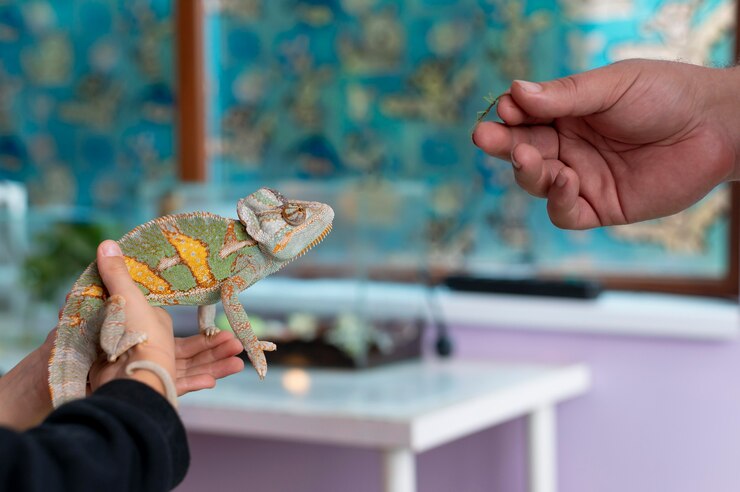
Geckos are popular lizard pets that can live over 20 years in captivity with proper care. However, lifespan varies significantly across the over 1,500 gecko species.
Small gecko species generally live 3-8 years when kept as pets. Examples include house geckos (Hemidactylus frenatus) and Madagascar ground geckos (Paroedura pictus), which typically live 5-7 years in captivity.
Medium-sized geckos like leopard geckos (Eublepharis macularius) and African fat-tailed geckos (Hemitheconyx caudicinctus) live 6-15 years on average with appropriate husbandry.
Large gecko species tend to be the longest lived. Crested geckos (Correlophus ciliatus) have life spans of 15-20 years or more with proper care. The same is true for other Rhacodactylus geckos like gargoyle geckos.
Giant day geckos (Phelsuma grandis) live around 20 years in captivity. The longest lived gecko species include Tokay geckos (Gekko gecko) at 20-30 years and New Caledonian giant geckos (Rhacodactylus leachianus) at 25-35 years.
Key factors impacting gecko longevity include enclosure size, temperature, humidity, diet, handling stress, and access to veterinary care. With attentive captive husbandry, geckos can achieve impressive life spans.
White gecko lifespan
White geckos typically refers to leucistic or albino morphs of various gecko species that lack pigmentation and appear white. Two common examples are leucistic leopard geckos and albino crested geckos. Their lifespans are similar to normal-colored individuals.
Leucistic leopard geckos live 6-10 years on average with proper captive care. Some individuals may reach 15-20 years. Albino crested geckos have lifespans of 15-20 years when housed correctly. Exceptional specimens can live over 25 years.
Other white gecko varieties like albino gargoyle geckos also live 15-20 years generally. Larger albino gecko species can exceed 20 years.
Factors like genetics, diet, habitat, handling stress, and veterinary care impact longevity most. Coloration alone does not affect lifespan.
Providing the proper enclosure, temperature, humidity, nutrition, and limiting stress can help maximize lifespan for any gecko morph.
Popular white color morphs of various gecko species generally live as long as their normal-colored counterparts when given proper captive care and husbandry.
Asian house gecko lifespan
Asian house geckos (Hemidactylus frenatus) are a small gecko species native to tropical Asia. They are common pets and are also introduced in warm regions worldwide.
Asian house geckos typically live 3-5 years in captivity with proper care.
Their maximum lifespan is generally less than 7 years even with ideal husbandry.
Being a small gecko species, they have a relatively short life expectancy compared to larger geckos.
Providing the proper enclosure size, temperatures of 85-90°F, and a humid habitat are key to maximizing their lifespan. Feed a varied diet of gutloaded insects like crickets, mealworms, and flies. Supplement with calcium and vitamins.
Careful handling is important as they are a delicate and high-stress species. Limit handling after feeding.
Signs of aging include reduced activity, weakened grip, decreased appetite, and faded coloration. Adjust husbandry for elderly geckos.
With excellent care, select individuals may reach 8-10 years old but this is less common. Most Asian house geckos live less than 5 years in captivity.
Baby gecko lifespan
Baby geckos are young juveniles that have recently hatched from eggs. They are typically a few weeks to a few months old. The lifespan of baby geckos depends heavily on the species. Small species may reach adulthood in 6-12 months, while large species can take 2+ years.
Gecko lifespan and growth rates are most rapid in the first 12 months after hatching. Providing proper care is crucial. Key elements for baby geckos are small enclosures, warmer temperatures of 85-90°F, high humidity, and frequent insect feedings.
Calcium and vitamin supplementation is vital 2-3 times weekly for developing bones and organs. Handling should be minimized to reduce stress on delicate, growing geckos.
With attentive care, baby geckos can live full life spans of 10-20 years depending on species. Lifespans are shorter if care is inadequate.
Common signs of illness in babies include lethargy, poor appetite, weight loss, and poor mobility. Vet care is recommended.
On average, leopard gecko babies may live 8-12 years. Crested gecko babies often reach 15+ years. Establishing proper husbandry early on gives baby geckos the best start for a long, healthy life.
Female Gecko lifespan
There is little evidence that lifespan differs significantly between female and male geckos of the same species.
Genetics, husbandry, diet, and veterinary care have much larger impacts on longevity.
Certain factors may give slight lifespan advantages to one sex:
Females avoid energy costs of breeding, which may extend lifespan slightly. But egg laying can tax female calcium reserves over time.
Males tend to be smaller, so require less food and may live slightly longer.
However, males may fight and injure each other, reducing lifespan. Overall, female and male captive geckos generally have quite similar average life spans within a given species.
Leopard gecko females live 6-10 years on average, similar to males. Crested gecko females also live in the 15-20 year range, on par with males.
Providing excellent care tailored to the needs of each gecko is most crucial to achieving long lifespans for both sexes. With attentive husbandry, you can expect both female and male geckos to live full, healthy lives within the expected range for their species.
Factors Affecting Gecko Lifespan
Habitat
Geckos need species-specific heating, humidity, space, substrates, hides, plants, climbing areas, and other habitat features. Recreate their natural environment. Proper lighting and day/night cycles are also important.
Enclosure size
The enclosure is one of the most important elements for maintaining healthy, thriving geckos. When selecting an enclosure, first consider the natural habitat of your specific gecko species. Recreate key features like substrates, hides, plants, rocks, branches etc. to provide mental stimulation. The enclosure size should allow ample space for movement and a range of microclimates for thermoregulation and humidity needs.
Terrestrial geckos like leopard geckos do well in long terrariums with substrates like paper towels, sand mats, or reptile carpets. Make sure to include multiple hides on both the cool and warm end. Arboreal geckos like crested geckos require tall enclosures with plenty of real or artificial foliage for climbing and hiding. The more geckos housed together, the more space they need.
Also factor in your gecko’s adult size. Baby geckos can start in small enclosures then be moved to larger habitats as they grow. Proper heating and lighting is vital, which may require special fixtures. Maintain ideal temperature and humidity ranges for your species with gauges. Ensure the enclosure is escape-proof with tight lids and doors. Keep the habitat clean through regular spot cleaning and disinfection. Mimicking your gecko’s natural environment will keep them active, stress-free, and healthy!
Substrate
Substrate refers to the materials lining the floor of the gecko enclosure. It serves several important functions including:
Materials like sand, soil, moss and bark help recreate a gecko’s native environment and natural behaviors like digging. Some substrates help retain moisture and provide proper humidity levels.
Geckos that dig burrows need substrates they can tunnel through like sand or coconut fiber.
The right texture allows for comfortable walking and prevents foot sores. Too abrasive can cause injury. Substrates transmit heat from under tank heaters. Some hold heat better than others.
Impervious substrates like tile and paper towels are easy to clean and disinfect.
Ingestible loose substrates can cause impaction if eaten. Non-particulate options are safer. Substrates add natural decoration and visual interest.
It’s important to research and select the appropriate substrate for your specific gecko species. The materials must suit their natural habitat, burrowing behavior, humidity needs, and safety. Tailoring substrate to the gecko’s requirements makes for a healthy environment and supports longevity.
Hiding places
Hides are enclosed shelters that allow geckos to seek refuge and feel secure within their habitat. Providing multiple hide options serves several functions:
- Security – Gecko hides enable them to feel protected from threats and retreat when stressed. This reduces anxiety and aggression.
- Thermoregulation – Having cool and warm hides lets geckos self-regulate their body temperature as needed.
- Shedding – Humid hides with moss help geckos shed their skin properly.
- Egg laying – Gravid female geckos utilize laying boxes with vermiculite to safely deposit eggs.
- Enrichment – Alternating between different hides provides mental stimulation.
- Sleep – Gecko hides offer secluded spaces for undisturbed resting and sleeping.
Hide types include caves, tunnels, coconut shells, overturned pots, plastic containers, vertical bamboo, and acrylic reptile hides. Place hides on the warm and cool end of the enclosure. Add one extra hide per gecko to prevent competition. Providing abundant, suitable hides is crucial for gecko health and wellbeing.
Diet & Nutrition
Meeting all dietary and hydration needs enables geckos to thrive long-term.
Feeding a balanced diet : Geckos are primarily insectivores, meaning insects should make up the bulk of their diet. Crickets, roaches, mealworms, and waxworms are commonly used feeders. Select appropriate sized insects for your gecko’s head size to prevent choking. The diet should be diverse, incorporating different feeders for a range of nutrients.
Supplements : Insects should be gutloaded with nutritious foods to boost their vitamin and mineral content before being fed to geckos. Dust insects with calcium supplements at every feeding for growing geckos or 2-3 times weekly for adults. This aids bone and egg health. Use multivitamin powders 1-2 times weekly to prevent deficiencies.
Food type : Fruits can supplement the diet of crested geckos, day geckos, and fruit-eating species. They enjoy blended fruit mixtures. Nectar-eating geckos require diluted fruit nectar in dishes. Portion sizes depend on gecko size and life stage. Time feedings to mimic natural crepuscular/nocturnal behavior.
Water : Always provide fresh, clean water in dishes to prevent dehydration. The diet should be balanced across nutrients, vitamins, and minerals. Tailor the diet plan to the specific needs of your gecko species and monitor their growth and health. Consult a qualified herp vet on designing an optimal feeding regimen. Proper nutrition supports longevity and vitality.
Health & Veterinary Care
It’s important to routinely check your gecko’s health and be watchful for any abnormalities that may indicate illness or injury. Observe their appearance closely – skin should be intact without lesions, swelling, or stuck shed. Eyes should be clear and alert. Monitor weight and track gains or losses over time.
Appetite can be gauged by feeder insect consumption. Healthy geckos are active and alert, especially at night. Normal behavior includes climbing, basking, hunting insects, and exploring. Lethargy, hiding, or loss of grip strength signal a problem.
Check droppings as diarrhea or discoloration can indicate internal issues. Labored breathing, wheezing, or gaping mouth may mean a respiratory infection. Discharge around eyes/nose points to health issues. Anypresence of parasites like mites must be promptly treated.
Schedule an immediate vet visit if you observe any of these symptoms or other concerning changes in behavior or appearance. Make sure to quarantine sick geckos from healthy tankmates. Providing optimal care and being vigilant about subtle health changes leads to early diagnosis, treatment, and full recovery.
Handling & Stress
Geckos are quite susceptible to stress from frequent and excessive handling. When geckos first arrive home, allow a period of 1-2 weeks for them to fully acclimate to their new environment before attempting handling. Introduce your hand into the enclosure to associate it with positive experiences like feeding.
Once handling begins, limit sessions to 5-10 minutes 1-2 times per week. Gently scoop or cup geckos rather than grasping them. Support the belly and hindquarters as you lift them. Keep hands low and avoid positioning geckos far above ground. Sit on the floor in case of falls.
Pay attention to the gecko’s body language during handling. If they struggle, gape mouth, wag tail, or vocalize put them back quickly. Provide ample secure hides for geckos to retreat into when stressed. Avoid any handling within the first 48 hours after feeding while digestion occurs.
With time, gentle handling helps socialize geckos to human interaction. But limiting duration and frequency prevents excessive stress and supports longevity. Always respect your gecko’s comfort level when determining handling routine.
Why Such Variation in Lifespan Estimates?
There is considerable disagreement among gecko owners and even experts regarding exact lifespan numbers for many gecko species. Why such variation? Several key factors drive this:
Captive vs Wild Lifespans
Geckos live much shorter lives in the wild compared to captivity. Wild geckos face threats including:
- Predators
- Climate extremes
- Lack of veterinary care
- Inadequate food/nutrients
- Injuries/accidents
Minimizing these threats in captivity allows geckos to reach their full lifespan potential.
Individual Variation
There is natural variation in longevity between individual geckos based on factors like:
- Genetics
- Early life events
- Incidence of illness/injury
- Adaptability to captive environment
Some geckos simply live longer than others of the same species.
Data Limitations
There have been few controlled scientific studies on gecko longevity. Most lifespan estimates rely on keepers’ anecdotal reports. But these have limitations:
- Inaccurate age records
- Mixed captive conditions
- Small sample sizes
- Lack of standardization
Better research is needed to quantify average, max and min lifespans across gecko species.
Evolution of Husbandry
Captive care of geckos has improved dramatically over past decades. As husbandry techniques advance, geckos live longer. But outdated lifespan estimates persist.
With improving nutrition, habitat, handling and veterinary care, today’s pet geckos are likely exceeding past longevity records.
How to Extend the Life of Your Pet Gecko
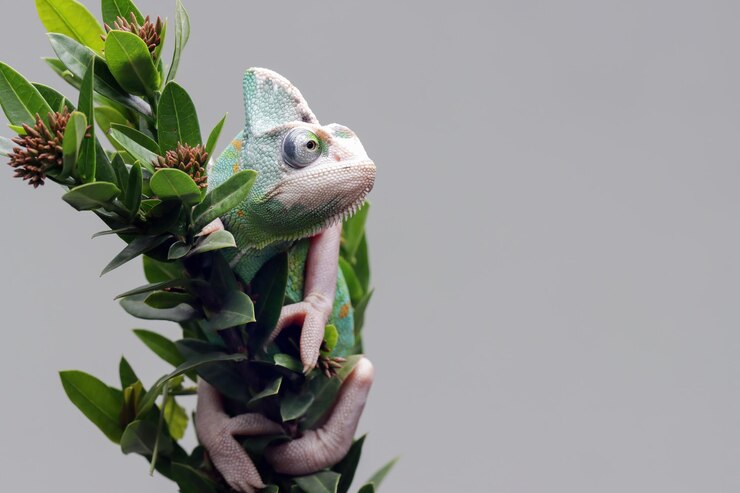
If you want your pet gecko to live as long as possible, you need to follow some tips on how to extend its life, such as:
Provide a stress-free environment:
Stress has detrimental effects on a gecko’s health and longevity. Their enclosures should be optimized to minimize anxiety and promote natural behaviors. Some tips include:
- Allow adequate space for each gecko to prevent overcrowding. Overly cramped conditions cause persistent stress.
- Limit direct handling time to short 5-10 minute sessions 1-2 times per week. Excessive handling can overstimulate geckos.
- Place enclosures away from high traffic areas, loud noises, music, and vibration that can startle geckos.
- Make any habitat changes like cleaning or redecorating gradually to avoid shocking geckos.
- Provide multiple secure hides, plants, branches, and climbing areas for refuge and mental enrichment.
- Maintain optimal stable temperatures and humidity ranges suitable for the species.
- Preserve natural day/night light cycles with 12 hours of light and darkness.
A habitat designed to minimize stress and allow geckos to feel secure and comfortable will support longevity and quality of life for these sensitive reptiles.
Prevent Injuries and Infections
Injuries and infectious diseases can significantly reduce lifespan and compromise a gecko’s wellbeing. Here are some tips to keep geckos safe and healthy:
- Use only solid, smooth enclosure materials without sharp corners or edges that could cause lacerations.
- Ensure any decor items or fixtures are firmly mounted and cannot fall onto geckos.
- Keep enclosures safely isolated from other household pets like dogs and cats that may harm geckos.
- Perform thorough cleaning and disinfection of the entire habitat on a regular schedule to prevent pathogen buildup.
- Quarantine any new geckos in a separate enclosure for 1-2 months before introducing them to ensure they are disease-free.
- Immediately isolate any sick or injured gecko away from healthy tankmates to contain infection.
- Promptly treat any health issues, wounds, or illnesses under qualified exotic veterinary guidance.
Staying vigilant about safety and responding quickly if issues arise will help avoid preventable health problems that can jeopardize longevity and welfare.
Feed a varied and nutritious diet
Diet is critical to a gecko’s health and longevity. Their nutrition should be varied, balanced, and tailored to their species’ needs:
- Offer a diverse mix of gut-loaded insects like crickets, roaches, worms to provide a range of vitamins and nutrients.
- Coat insects with calcium and vitamin D3 supplements to prevent deficiencies that can cause bone and organ issues.
- Some species like crested geckos benefit from diluted fruit purees or nectar for additional nutrition.
- Avoid any human foods, chocolate, dairy, citrus, or toxic plants that can seriously harm geckos.
- Tailor diet based on age and size. Growing juveniles need more frequent calcium-rich feedings.
- Always provide fresh, clean water in dishes as dehydration is dangerous.
Feeding a thoughtful, nutritionally balanced insect-based diet supplemented with vitamins meets all dietary requirements for a healthy gecko with a long lifespan. Consult qualified reptile vets on ideal nutrition plans.
Provide regular check-ups
Annual check-ups with a qualified exotic reptile vet are crucial for maintaining gecko health and maximizing lifespan. At yearly exams, vets will:
- Perform a full physical exam checking for any abnormalities
- Diagnose and treat any emerging health conditions early
- Update supplements and diet plans as needed
- Provide preventative care like parasite treatments
- Assess enclosure conditions and recommend improvements
You should also schedule prompt appointments if you notice any signs of illness or injury like lethargy, appetite changes, respiratory issues, etc. The vet can then diagnose, prescribe medications, and advise on care.
Early intervention provides the best prognosis and avoids complications. Establishing a relationship with a knowledgeable herp vet ensures your gecko benefits from the latest treatments and optimal medical oversight through all life stages. Consistent check-ups help ensure a long, healthy captive lifespan.
Typical Signs of Aging in Geckos
As geckos reach their senior years, usually past the midpoint of their expected lifespan, owners will notice certain changes signaling old age. These include:
- Slower movements and reduced activity levels compared to youth. Old geckos conserve their energy more.
- Progressive weight and muscle loss as metabolism and appetite slows. Monitor weight routinely.
- Decreased appetite and interest in food. Try offering smaller meals more frequently.
- Increased sleeping and resting periods. Older geckos spend more time curled in hides.
- Fading of bright juvenile colors and patterns. Skin hue often becomes duller and more washed out.
- Eye conditions like cataracts form, affecting vision. Clean eyes daily if needed.
- Weakened immune system makes elderly geckos prone to diseases like pneumonia.
These changes are normal aspects of aging. Supportive care like soft substrates, accessible water, and modified enclosure levels can help older geckos remain comfortable. Consult an exotic vet for managing age-related health issues. With care, geckos can live many happy years into their senior phase past these milestones.
Gecko Longevity Records: Max Reported Lifespans
Some individual geckos have far exceeded the average lifespans for their species in captivity. Here are some record holders:
- Leopard Gecko: 28 years
- Crested Gecko: 25+ years
- Gargoyle Gecko: 25 years
- African Fat-Tailed Gecko: 22+ years
- Tokay Gecko: 30+ years
- Madagascar Ground Gecko: 18 years
These max lifespans give insight into the impressive longevity geckos can achieve. However, they represent outliers rather than average expectancy.
With ongoing advances in gecko care, we may continue to see records broken in the years ahead.
Common Myths and Misconceptions about Gecko Lifespan
There are some myths and misconceptions that people have about gecko lifespan, such as:
- Geckos can live forever: This is a false and unrealistic claim. Geckos are living creatures that have a finite lifespan, just like any other animal. No gecko can live forever, no matter how well you care for it.
- Geckos can regenerate their tails: This is partially true, but not entirely accurate. Some geckos, such as leopard geckos and crested geckos, can drop their tails as a defense mechanism when threatened by predators or stress. The tail will then grow back over time, but it will not be exactly the same as the original one. The regenerated tail may have a different color, shape, or texture than the original one. Also, not all geckos can regenerate their tails. Some geckos, such as day geckos and tokay geckos, cannot drop their tails at all.
- Geckos do not need UVB light: This is a controversial and debatable topic. UVB light is a type of ultraviolet radiation that helps animals synthesize vitamin D3, which is essential for calcium absorption and bone health. Some experts believe that geckos do not need UVB light because they are nocturnal or crepuscular (active at dawn and dusk), and they get enough vitamin D3 from their diet and supplements. However, some other experts argue that geckos do benefit from UVB light because they are exposed to natural sunlight in the wild, and they may have some activity during the day. The best way to determine if your gecko needs UVB light is to consult your veterinarian and follow their advice.
Verdict
Geckos have the potential to live impressively long lives spanning over 20 years when properly cared for in captivity. However, lifespan varies dramatically based on species, genetics, diet, environment, veterinary care, and handling. Smaller, more fragile species may only live 3-5 years, while larger, hardier geckos can survive over 30 years as pets.
To help your gecko live a long, healthy life, tailor its habitat and care to its specific needs. Provide ample space, ideal temperatures and humidity, climbing areas, and nutritious insects with supplements. Gently handle geckos minimally to reduce stress. Arrange annual vet exams to catch emerging issues early. Adjust husbandry as geckos age.
There are many myths surrounding gecko longevity. Lifespans in captivity today likely exceed past estimates thanks to better understanding of gecko needs and advancing husbandry practices. With dedication and attentive care, geckos can become cherished, long-term animal companions. They are fascinating reptiles that enrich our lives for many years when their fundamental welfare is met.
FAQs
How long do geckos live as pets?
Geckos can live over 20 years with proper captive care and husbandry. But lifespan varies dramatically by species. Small geckos may live only 3-5 years, while large species can survive over 30 years as pets. Popular leopard geckos live 6-10 years. Crested geckos live 15-20 years on average. Providing the right diet, habitat, temperature, humidity and veterinary care are key to maximizing a pet gecko’s lifespan.
What is the longest living gecko?
The New Caledonian giant gecko is considered the longest living gecko species. In captivity, these large geckos can survive 30-35 years or more. Tokay geckos are another very long-lived pet, potentially reaching ages of 20-30 years. Other geckos with impressive longevity include crested geckos at 15-25 years, gargoyle geckos at 20-25 years, and leachie geckos at 20-30 years. With excellent care, select individuals may far outlive average lifespans.
Can I keep a gecko as a pet?
Yes, geckos can make fantastic pets! They come in a wide range of sizes, colors and behaviors so there’s a gecko suitable for any experience level. Good starter geckos include leopard geckos, African fat-tailed geckos and crested geckos. It’s important to research the specific care needs of any chosen species. Provide the proper vivarium habitat, temperature, humidity and diet. Handle gently and limit stress. Most geckos are low maintenance, but still require dedicated care. When gecko needs are met, they can be very enjoyable, long-lived pets.